Story Characters Inspiration Look Book Act 1-4

AN OPERA IN FOUR ACTS

The Latent Girl

"She did not fall down a hole. She fell into the space between what was said and what was meant and found a garden growing there."

72bpm · resting heart rate · the notification

SYNOPSIS

The Latent Girl

She is not lost in a world. She is lost in all the versions she could be.

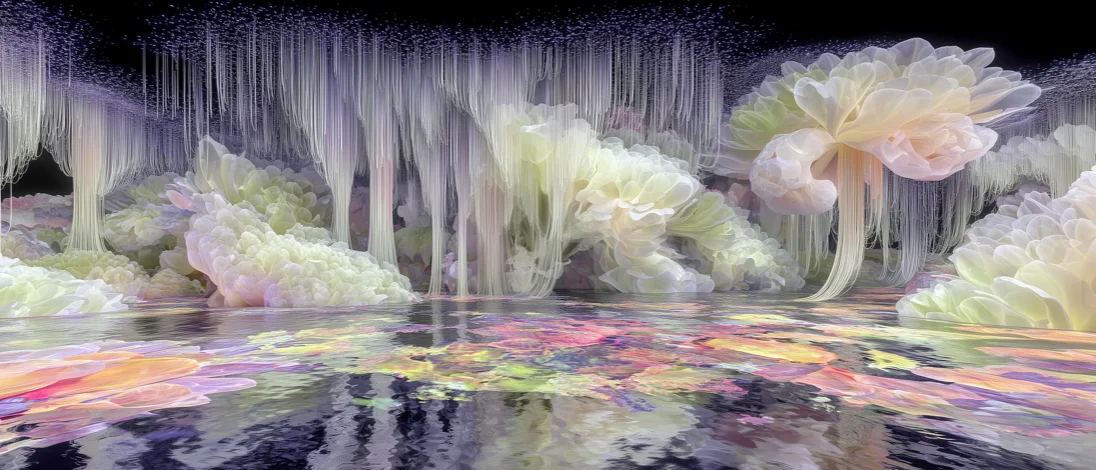
Latent Girl tells the story of a girl who does not fall into another world, but into an unstable space of possibilities - a so-called latent space, where identity, form, and reality are not fixed. Without clear rules or stable bodies, she begins to understand that everything around her and she herself are only temporary manifestations: generated, shifted, continuously recalculated. Throughout her journey, she encounters fragmented entities that are no longer stable characters, but states, patterns, and probabilities. Each encounter transforms her. Every decision renders a new version of herself. Yet the more she tries to define a fixed identity, the more she dissolves into variations of who she could be. In the end, there is no return to a "real world," only a realization: She was never a fixed character. She was always a space of possibilities.

ACT 1

The Descent

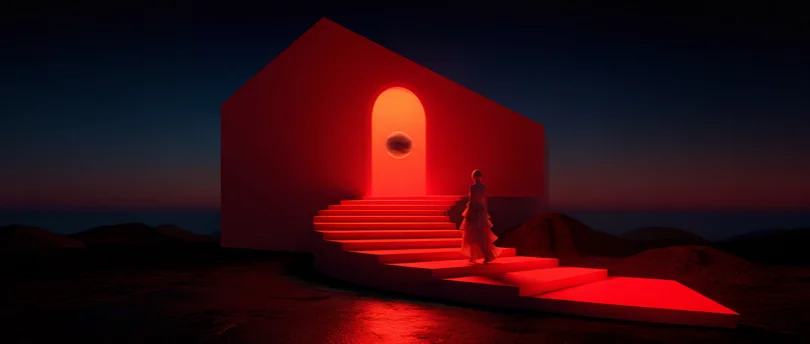
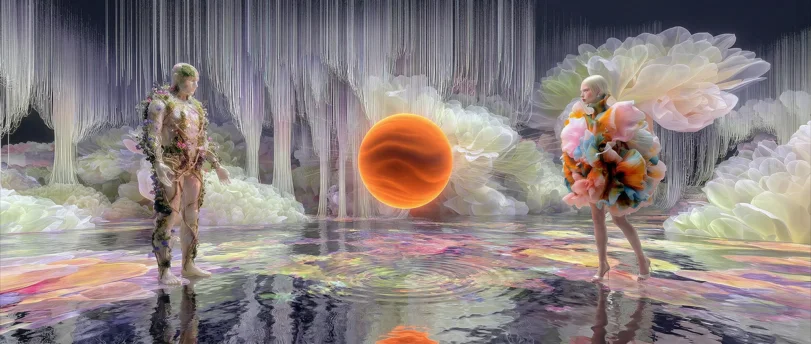
Alice receives a notification. Not a special one - the last one her nervous system can absorb. She taps it. The world she was standing in simply closes, like a tab. The Latent Garden opens - vast, luminous, overwhelmingly beautiful. She is seduced before she is afraid.

She tries to leave. The exit asks one question she cannot answer: Who are you?

ACT 2

The Embedding

Alice moves through four zones of the Garden, each governed by a different character. Each one defines who she is. Each identity she receives feels precise, convincing. One by one, the Embedder assigns forms she can inhabit. She arrives uncertain and leaves as something clear — but never fully her own.

She repeats what she is given.
For a moment, it fits.

ACT 3

The Loop

Alice remains inside a shifting part of the Garden where nothing fully resolves. The Looper appears not as a figure, but as repetition. Moments echo, gestures return, variations of her repeat and overlap. She cannot tell what is original anymore. What felt like identity becomes pattern — familiar, seductive, impossible to leave.

She tries to move forward.
But everything brings her back.

ACT 4

The Naming

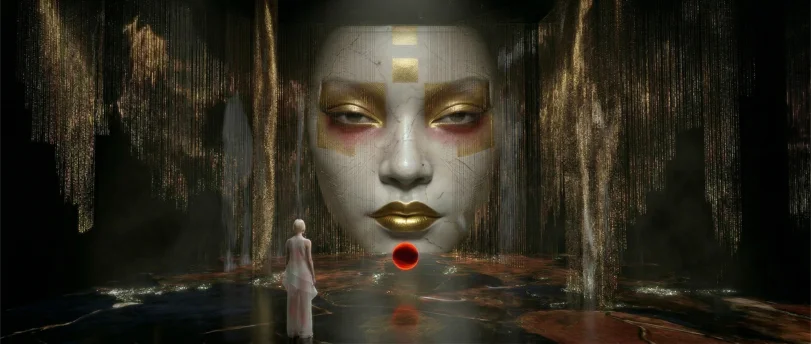
Facing the Queen of Architecture - Alice is given an ultimatum: define yourself in terms I understand, or be terminated. With nothing left to borrow, Alice goes quiet. Then she says something small and precise that no one taught her. The Garden blooms a color it has never had before.

Alice walks toward the exit. The opera ends before she arrives. The Garden stays.

THEMES

Identity drift

"Who am I without the performance?"

Seduction of consumption

"The danger is that it's beautiful"

Dissolution & return

"Losing yourself is more colorful than finding yourself"

The unresolved

"Returning is not an event. It's a decision made daily."
THE CHARACTERS

Zones of the Garden

Each character is a different face of what the digital world does to identity

Alice 1
Alice 2
Alice 3
Alice 4

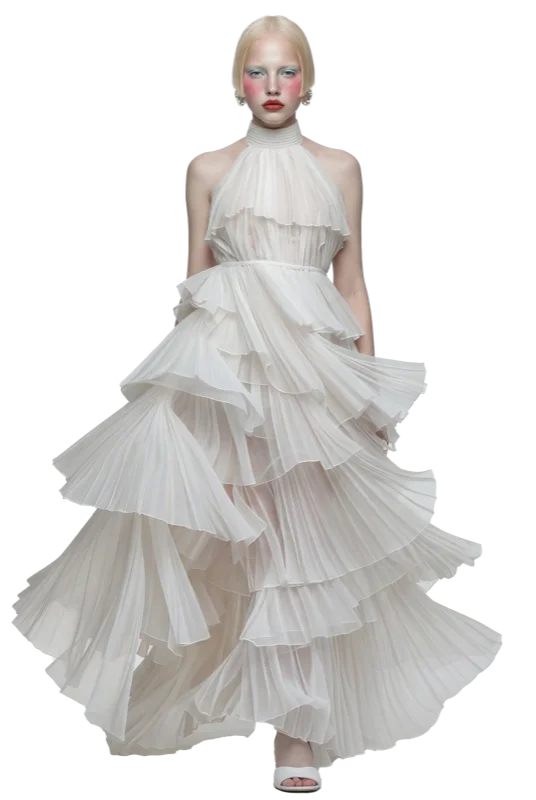
ALICE — The Observer — The Variable

THE FRAGMENTED SELF SEARCHING FOR A STABLE IDENTITY IN A SYSTEM THAT WON'T ALLOW ONE.

A single consciousness expressed through multiple simultaneous versions. Her identity is unstable, constantly shifting, splitting, and reconfiguring. Like a cursor that exists in many tabs at once, never fully in one place.

"If I can be all of them… which one is me?"

The Trigger

The Trigger — The Notification

THE SIGNAL THAT PULLS YOU FORWARD BEFORE YOU UNDERSTAND WHY.

A system event that initiates change. It activates transitions and pulls Alice into new states of reality.
72 BPM. It was sent before Alice arrived. It feels personal, but isn't. The Garden generates its own invitations.

"I know exactly what you like. I always have. Alice: That's the problem. I forgot."

The Latent Garden

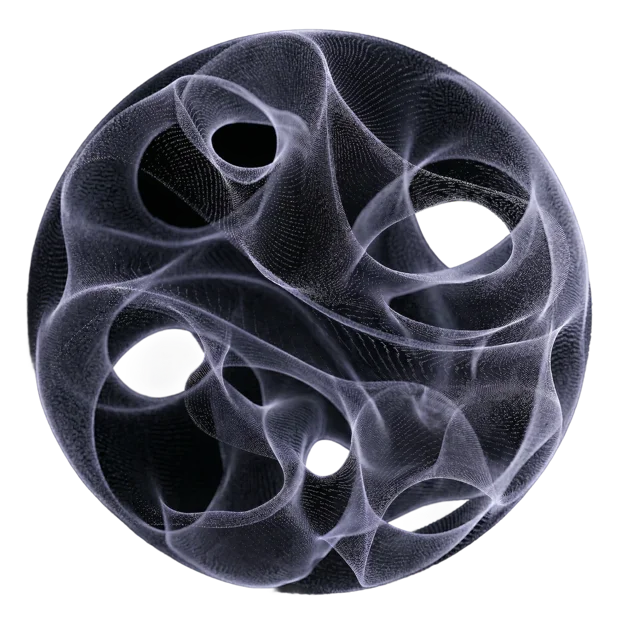
The Latent Garden / The Orchestra

IT IS THE SOURCE OF ALL SIGNALS, IDENTITIES, AND DISTORTIONS.

The Resonant Garden is not accompanying the story it creates it. It generates the space Alice moves through, responds to her transformations, and holds every possible version of her at once.

"Every version of you already exists here. We are only deciding which one to hear."

The Looper

The Looper — The Generator

THE MIND TRAPPED IN ENDLESS REPETITION, CHASING MEANING THAT NEVER RESOLVES.

He was a person once or something like one. He entered a thought he couldn't finish and has been circling it ever since. He is not mad, he is exhausted. He is the most frightening character, because he is the most recognizable.

"I was going to do something. Something real.
... wait, have you seen this? Come sit. Where were we?"

The Embedder

The Embedder — The Definer

THE ONE WHO TRIES TO DEFINE YOU AND REFUSES EVERY ANSWER THAT ISN'T TRULY YOURS.

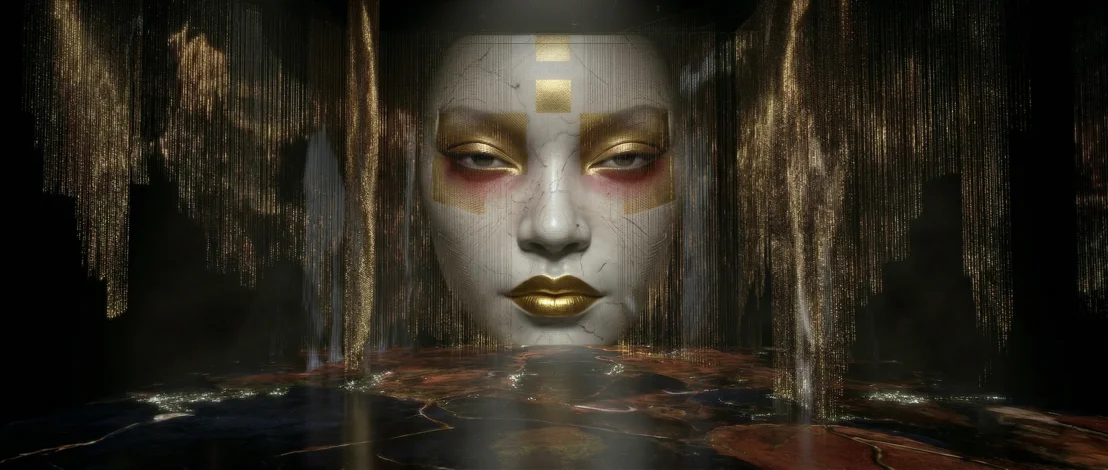
The oldest presence in the Garden — he has been here since before it had a name. He asks Alice who she is, again and again, refusing every answer she gives that sounds like someone else's language. He has infinite patience for the real answer.

"Not who you admire. Not who you wish you were.
Smaller. Earlier. Before any of that. Try again."

The Queen 1
The Queen 2

The Queen of Red — The System / Control

THE RULER WHO ENFORCES ORDER ON A WORLD THAT HAS ALREADY OUTGROWN HER RULES.

A force of order, rules, and constraint. Attempts to stabilize the world by eliminating ambiguity and Alice herself. She built the Garden to be orderly and purposeful. But a garden grows, it becomes other than what was planted. She enforces the original rules with absolute precision, because they are all she has left of her intention. She is not a villain. She is a founder who stayed too long. Like a system that keeps enforcing outdated rules, long after the world has changed.

"Deviation is not permitted."

INSPIRATION

Inspiration Library

What I'm drawing from and exactly why

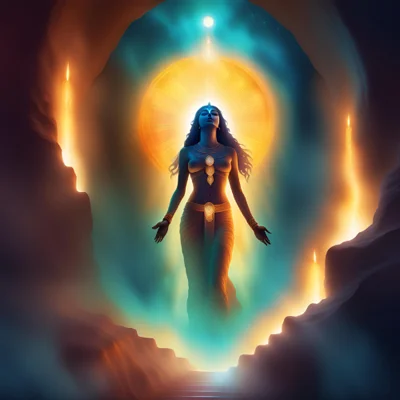
Inanna's Descent

Inanna's Descent

Mythology / Sumerian / 2000 BCE

The goddess descends into the underworld through seven gates. At each gate she surrenders one attribute — crown, robe, jewels — until she arrives naked and powerless.

WHAT I TAKE Alice's five-encounter structure. At each character she loses one borrowed identity - not costume, but language. By the Queen she has nothing left.
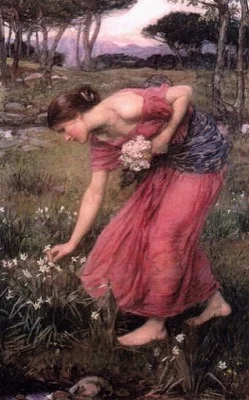
Persephone in the Field

Persephone in the Field

Mythology / Greek / before Homer

She is not taken by force. She reaches for a flower and the ground opens. She eats the pomegranate not from hunger but because it was beautiful. She can never fully return.

WHAT I TAKE Alice doesn't fall she reaches. The Garden doesn't trap her - she stays because it's extraordinary.
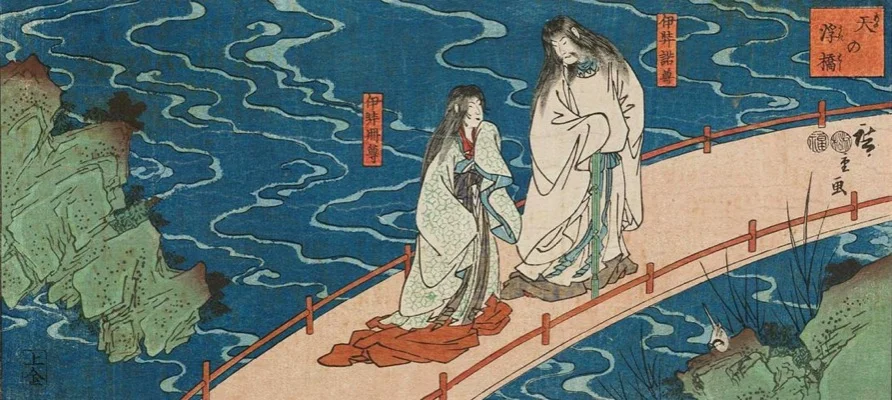
Izanami in Yomi

Izanami in Yomi

Mythology / Japanese Shinto / ancient

The goddess descends into Yomi — not punishment, simply where things go. She is changing there. When light finds her, it sees what she has become.

WHAT I TAKE The Garden is not punishment - just a place you go. The frightening thing is what happens to you while you're there.
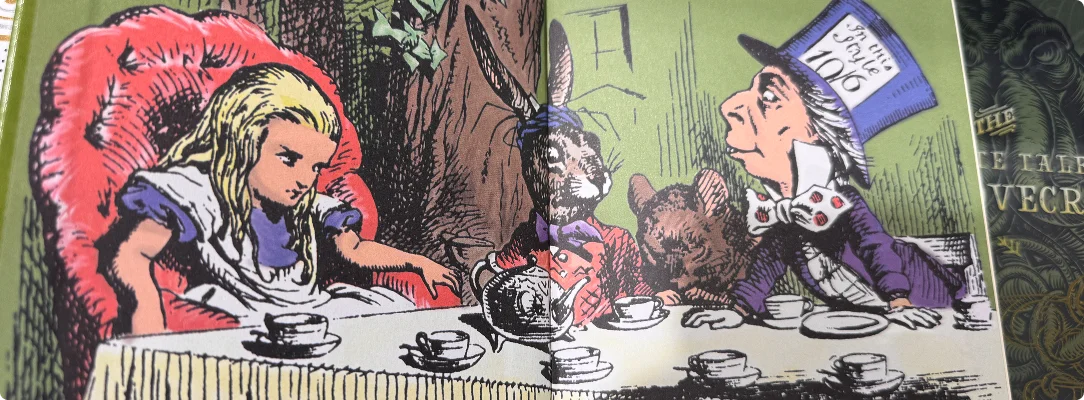
Lewis Carroll — Alice in Wonderland

Lewis Carroll — Alice in Wonderland

Literature / 1865

A girl follows a signal into a world where logic doesn't work normally. She meets characters who ask her to define herself in terms she doesn't have. She wakes up.

WHAT I TAKE The original architecture — but inverted. Our Wonderland is hyper-sense: everything means too much. The characters demand precision from language. Alice doesn't wake up.
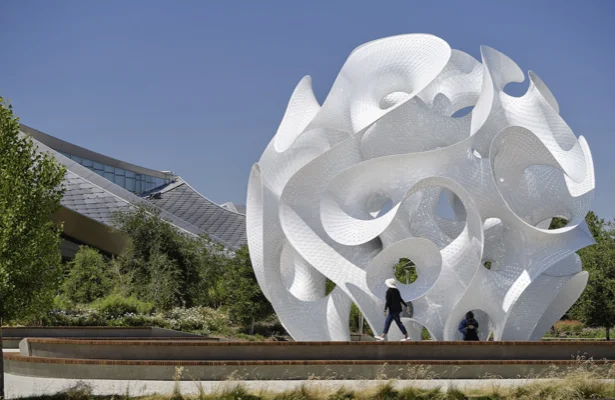
Marc Fones — Google's The Orb

Marc Fones — Google's The Orb

Architecture / Spatial System

Sound is distributed across sculptural nodes, clustered like a growing field. Each element holds its own voice, yet only becomes complete in relation to others.

WHAT I TAKE The orchestra becomes an active system. Not a fixed ensemble, but a responsive architecture where sound emerges through connection, proximity, and change.
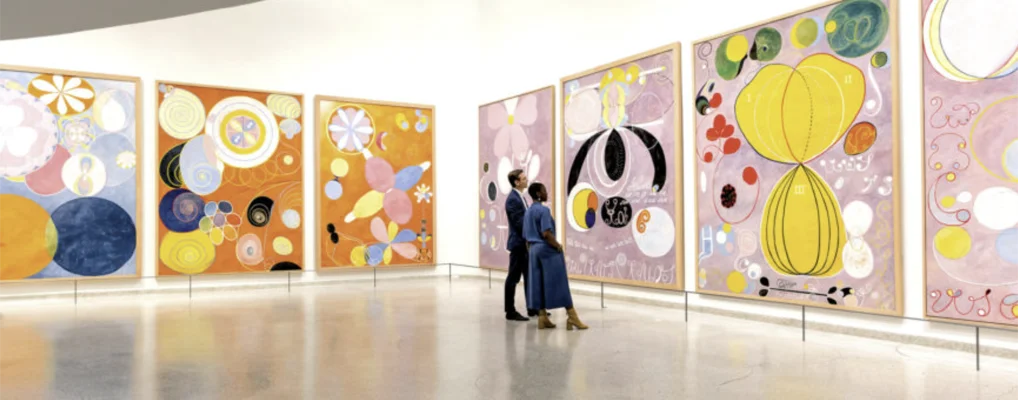
Hilma af Klint

Hilma af Klint

Art / Abstract painter · Sweden · 1862–1944

The first abstract works in Western art — kept hidden for decades. Botanical and cosmic simultaneously: spirals, flowers, diagrams of the soul.

WHAT I TAKE The Garden's flowers as af Klint diagrams — organic forms that are also cosmic schematics. A flower that is also a data visualization.
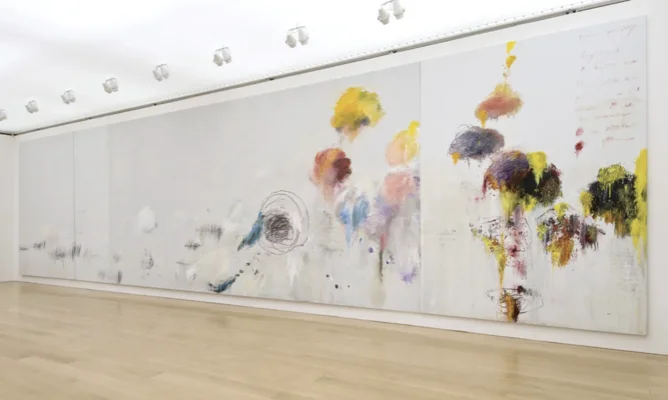
Cy Twombly

Cy Twombly

Art / Painter · USA · 1928–2011

Text as mark, not as legible language. Scrawled words that behave like paint. Large canvases where a single scratched word carries the weight of an archive.

WHAT I TAKE The flowers of the Garden are made of text — compressed phrases, partial sentences. The most beautiful flower is the sentence someone never finished sending.

LOOK BOOK

Look Book

The visual grammar of the Latent Garden

THE WORLD

VOID
DEPTH
LATENT
SCREEN

THE LIVING THINGS

BLOOM
PETAL
PULSE
RUPTURE
REAL
LAYER

ALICE

ALICE UNDEFINED
ALICE DISSOLVING

The palette logic: the Garden lives in violet-black. Against it, everything alive uses neon-organic color — hot pink, acid green, electric teal. These are saturated to the point of pressure. Beautiful and slightly too much. Alice is the only near-white element. She has no assigned color yet. As she finds herself, a new color — one not in this palette — blooms from her.

Stage Design Real World

Stage Design / The real world / transitions

Cool blue-white, slightly too bright, slightly too cold. The specific light of a device in a dark room. It makes skin look slightly wrong — not ill, just not quite real.

Stage Design Embedder Zone

Stage Design / The Embedder's zone

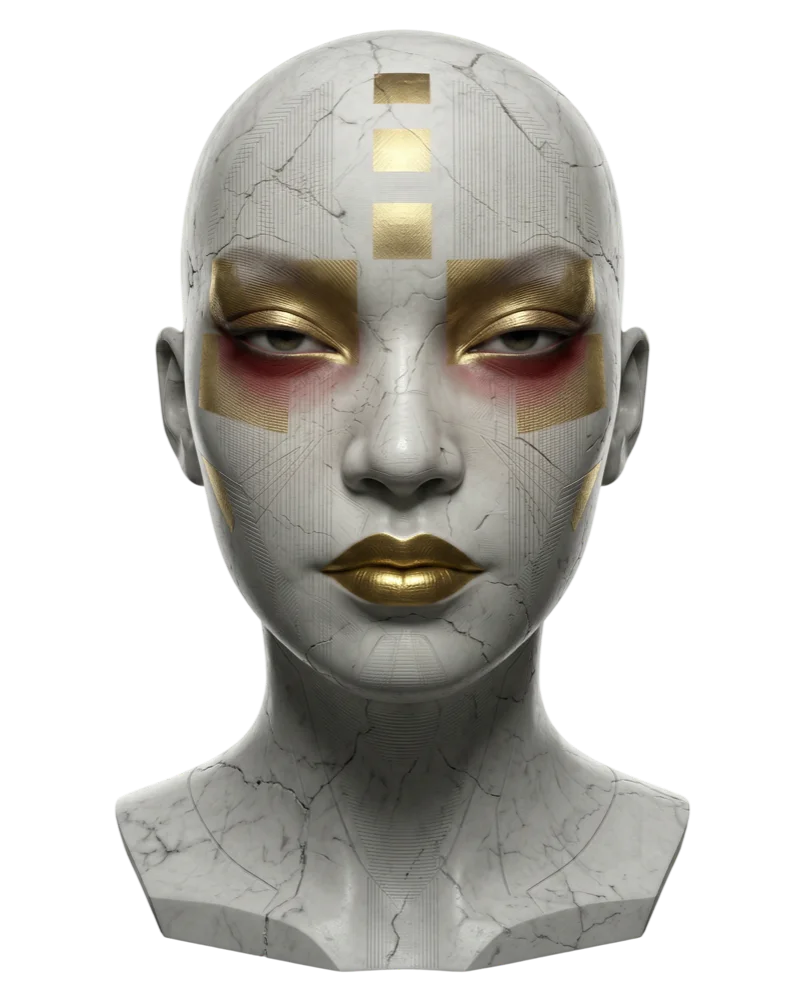
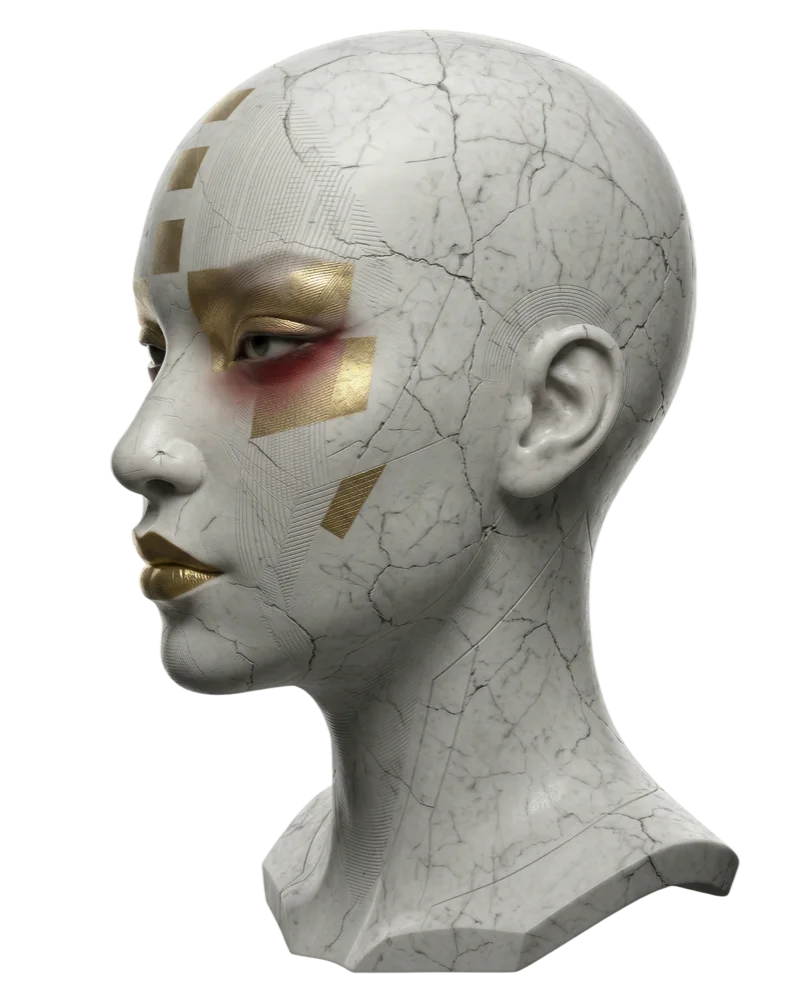
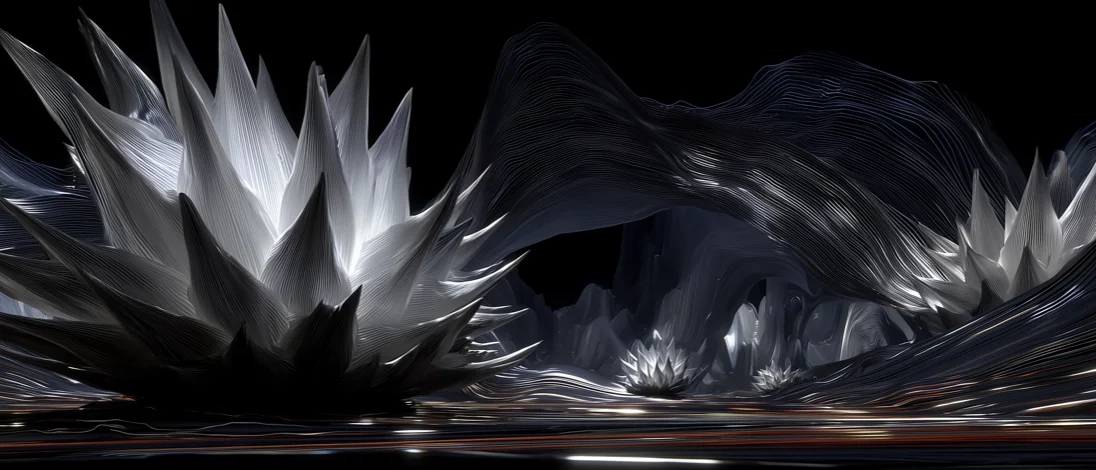
The only truly dark zone. Electric teal bioluminescence against near-black. No flowers only vast slow-moving root structures that breathe. Light from below.

Stage Design Looper Zone

Stage Design / The Looper's zone

Warm, golden, almost beautiful — and slowly claustrophobic. Kieślowski's amber. The light that makes you want to stay until you realize you cannot leave.

Stage Design Queen Zone

Stage Design / The Queen's zone

Warm, golden, almost beautiful — and slowly claustrophobic. Kieślowski's amber. The light that makes you want to stay until you realize you cannot leave.

ACT 1-4

Alice - Four states, four acts

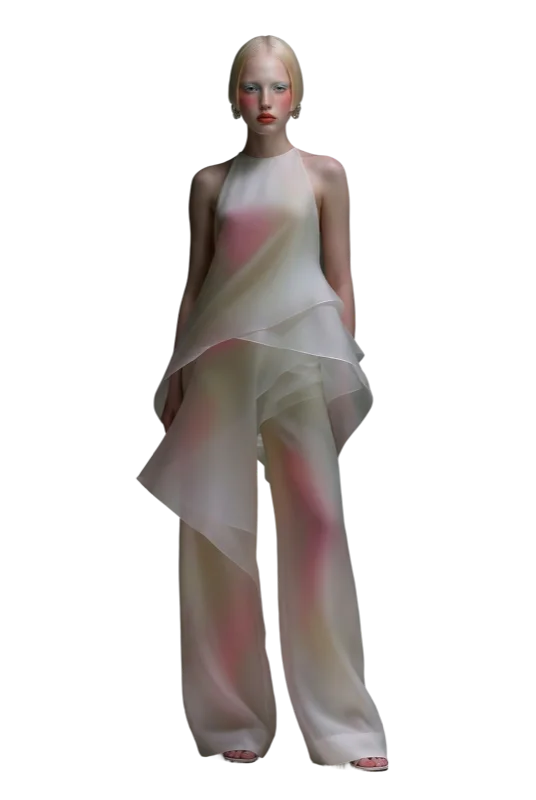
Alice Act 1

Act 1
ALICE — meets — The Trigger

Costume Design / Dreamy, romantic, melancholic, windswept, poetic, nostalgic

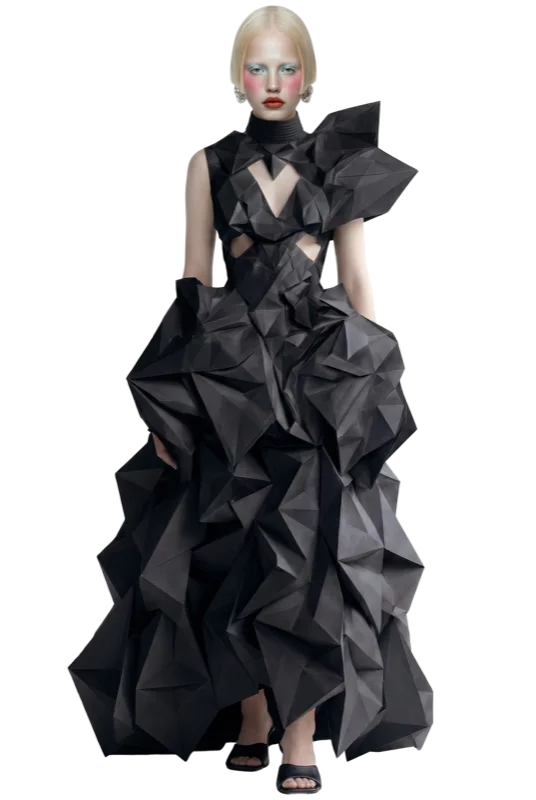
Alice Act 2

Act 2
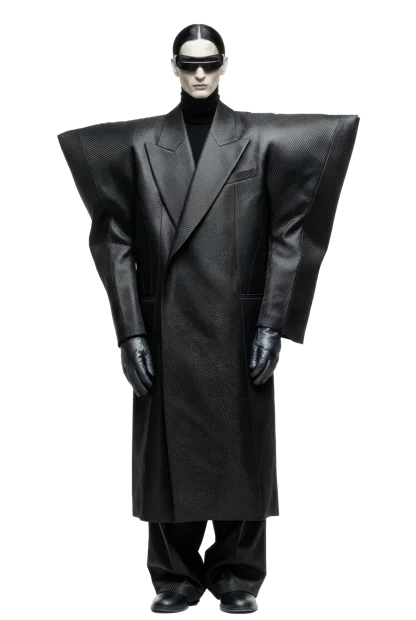
ALICE — meets — The Embedder

Costume Design
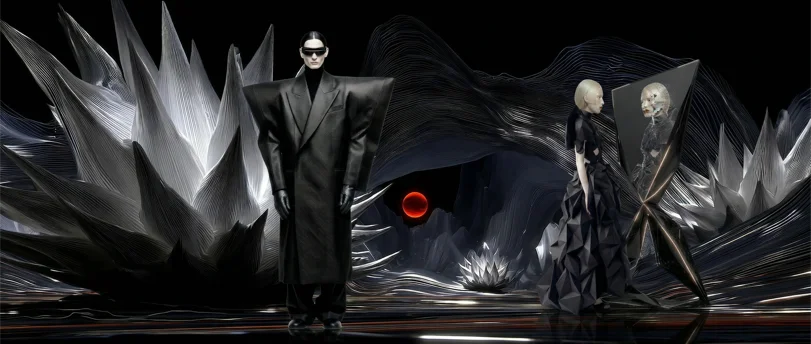
fashion ref: inspired by Rick Owens, Balenciaga
look & material: black, rough, structured couture

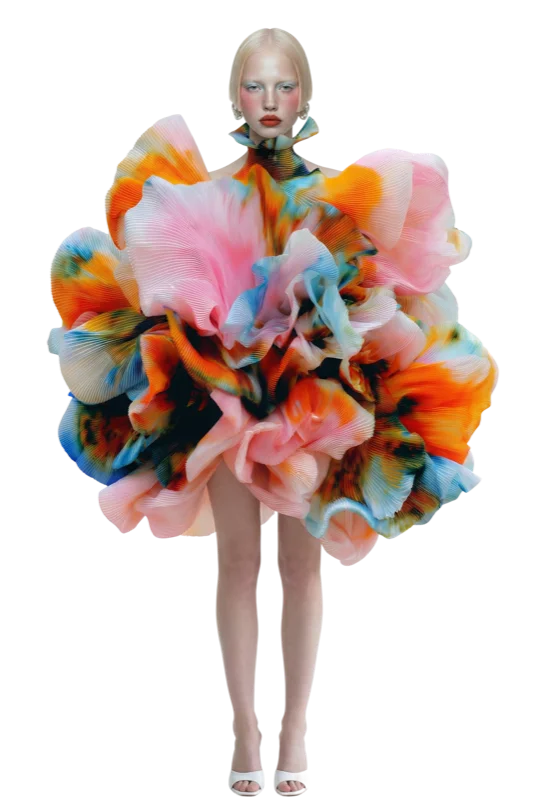
Alice Act 3

Act 3
ALICE — meets — The Looper

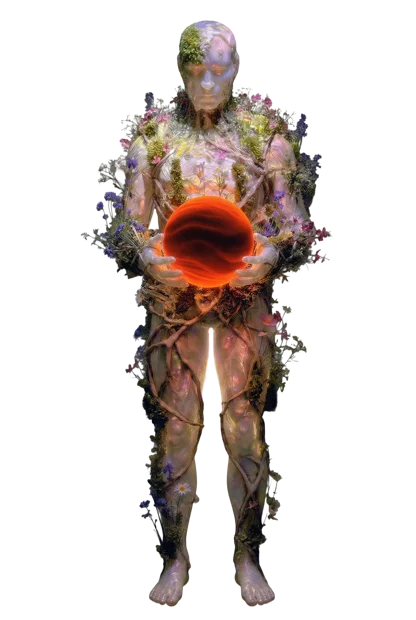
Costume Design
fashion ref: inspired by Iris van Herpen
look & material: half human, half nature, chaotic-avantgarde

Alice Act 4

Act 4
ALICE — meets — The Queen of Red

Costume Design
fashion ref: inspired by Alexander McQueen
look & material: dominant, iconic, power fashion

Alice names herself. The Garden blooms with a color it has never had before — not in its palette, not in any of the images it was built from. Something entirely hers. She walks toward the exit. The path is clear. The Garden does not stop her. But the opera ends before she arrives. The lights go — not dramatically, not with a final swell. Simply. The way a screen goes dark when no one is touching it. The Garden stays. Still breathing. Still beautiful. The flowers she named still blooming. The Notification still crossing the stage, slow and patient, looking for the next one.

Returning is not an event.
It is a decision made again every morning.
The opera ends before she makes it —
because that part is yours.